
- How it works
- Compatible devices
Compare Japan SIM cards and eSIMs for tourists in 2026, including where to buy, phone numbers, unlimited data, airport queues and travel news.
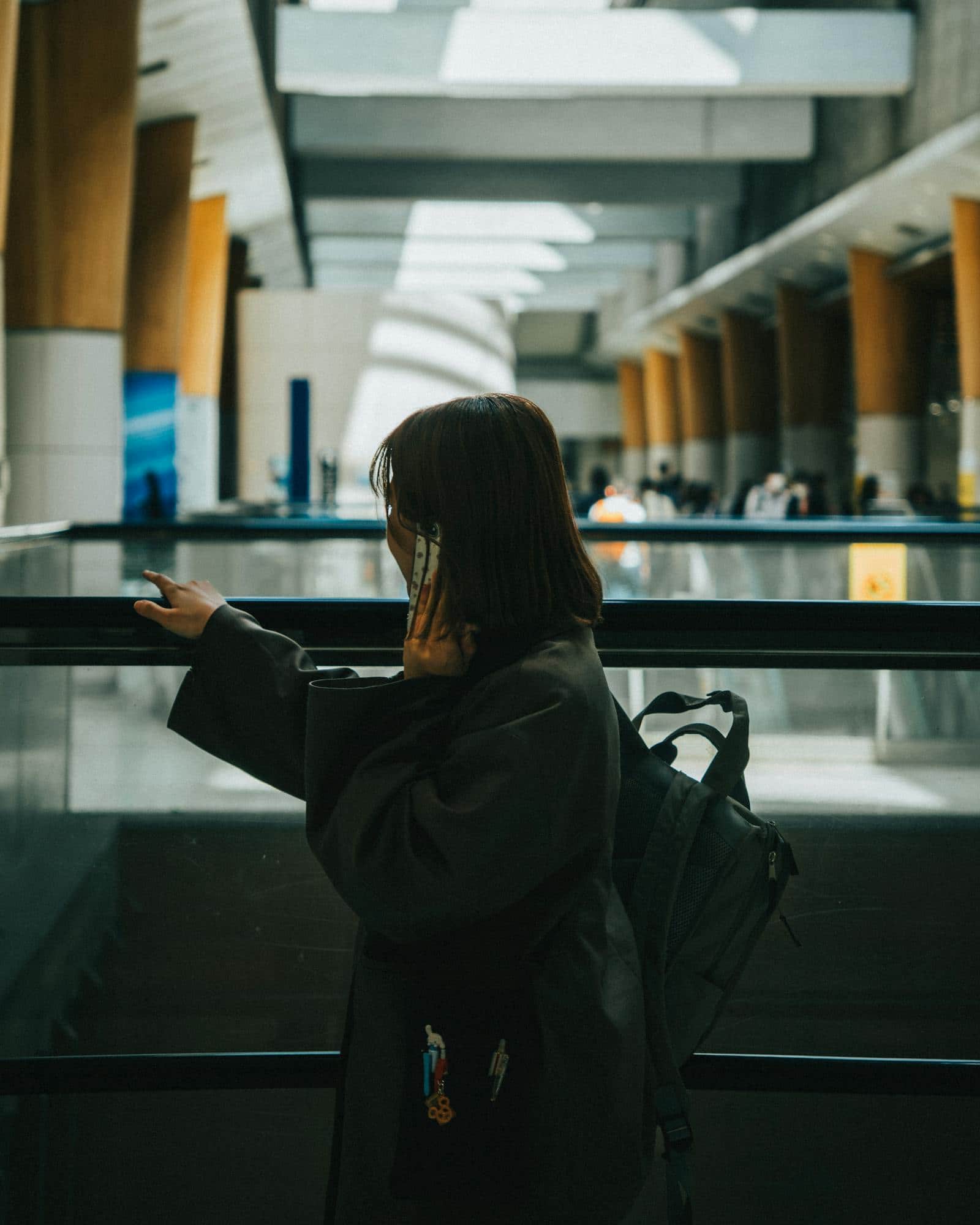
Japan is busier than ever for international travellers, and that changes how you should think about connectivity. A record 1,058,300 Australians visited Japan in 2025, and Japan also recorded 42,683,600 total international arrivals that year according to JNTO's Australia market release. When airports, hotels and popular routes are busy, the best Japan SIM card is often the one you do not need to queue for after a long flight.
That is why many tourists now compare a physical Japan SIM card with a Japan eSIM. Both can work. The right choice depends on your phone, your need for a Japanese phone number, your trip length and how much data you expect to use.
Skip the airport SIM queue in Japan.
Get Japan Unlimited eSIM data ->
The main travel story is volume. Japan's tourism rebound has moved beyond recovery into record-setting demand, with especially strong interest from Australia, the US and other long-haul markets. That means travellers should book earlier, allow more time at transport hubs and use digital tools to reduce friction.
Arrival admin is increasingly digital. The Embassy of Japan in Australia recommends using Visit Japan Web to pre-register immigration and customs details before arrival. Australian travellers are currently eligible for visa-free short-stay tourism and business travel for up to 90 days, but official advice is to verify entry conditions before departure.
Popular places are also managing crowds more actively. Mount Fuji climbing routes have 2026 restrictions, fees and registration processes on the official Mt. Fuji climbing website. Kyoto and other destinations are also using taxes, local rules and visitor management to respond to overtourism. None of this means "do not go"; it means your phone data matters more because plans, reservations and local guidance can change.
You can buy a Japan SIM card in several ways: order before travel, pick up at an airport counter, use a vending machine, visit an electronics store or buy from a mobile provider after arrival. Airport options are convenient, but they can be more expensive and may involve queues, identity checks, limited stock or plan confusion when you are tired.
An eSIM is bought online and installed digitally. There is no plastic card, no SIM tray swap and no risk of misplacing your home SIM. For many Australian and US tourists, the best buying path is to choose the eSIM before departure, install it on home Wi-Fi and switch mobile data to the Japan line after landing.
The catch is compatibility. Your phone must support eSIM and be unlocked. Check this before paying. If your phone does not support eSIM, a physical tourist SIM or pocket Wi-Fi may still be the better option.
Most Japan tourist eSIMs are data-only, including the Japan Unlimited eSIM. That means no Japanese voice number and no SMS. For normal tourism, data-only is usually enough. Messaging apps, maps, translation, email, social media, hotel chat and most travel planning tools all run on data.
A Japanese phone number can be useful if you are working, studying, renting long-term accommodation, dealing with domestic services or making local voice calls. It may also matter if a booking platform requires Japanese SMS verification. In those cases, compare voice SIM providers carefully and expect a different buying process from a simple travel eSIM.
For most holidaymakers, keeping your home SIM active for urgent calls or banking texts and using a Japan data eSIM for mobile data is the cleanest setup. Be careful with roaming charges from your home carrier, and turn off roaming on the home line if you do not want to use it.
Fixed-data SIM cards can be cheap if you only need light use. A traveller who spends most of the day in one hotel, uses Wi-Fi heavily and only needs maps may not need unlimited data. The problem is that Japan trips often become more data-heavy than expected.
You may use translation apps for menus, maps for station exits, cloud storage for photos, messaging apps for group coordination, travel sites for last-minute bookings and video calls with family at home. A capped plan can be fine until one long train ride, one hotel Wi-Fi problem or one lost afternoon in a station burns through the allowance.
The Japan Unlimited eSIM is aimed at travellers who want unlimited device data with no daily caps or scheduled speed throttling. Hotspot is separate and clearly defined: the allowance is N minus 1 in days. For example, 15 days includes 14GB hotspot, 21 days includes 20GB and 31 days includes 30GB. See the 15-day Japan eSIM guide or 30-day Japan eSIM guide if you already know your trip length.
Japan has free Wi-Fi at major international airports, and many hotels, cafes and stations offer some form of connection. Public Wi-Fi is useful, but it is not a complete travel plan. You may need to register, reconnect, accept terms, deal with congestion or find that Wi-Fi is not available on the street where you need directions.
Japan Unlimited eSIM customers also get access to 100,000+ au Wi-Fi spots, 100+ mountain hub Wi-Fi points and selected ferry routes. These extras are valuable, especially on long trips, ski trips and regional routes. Still, think of Wi-Fi as support. Mobile data should be the backbone of your trip.
Australian travellers often book Japan around school holidays, ski season, cherry blossoms and autumn foliage. US travellers often combine Japan with longer Asia itineraries or two-week city-and-rail trips. In both cases, the simplest setup is usually a data eSIM bought before departure, installed on Wi-Fi and used alongside the home SIM if needed.
Choose a physical SIM if your phone cannot use eSIM or if you specifically need a local voice number. Choose pocket Wi-Fi if several people will stay together all day and want one shared device. Choose a Japan Unlimited eSIM if you want personal data, fewer airport chores and a clear unlimited-data setup for maps, translation, trains and everyday travel.
For a full buying framework, compare Japan unlimited eSIM plans.
Tourists can buy Japan SIM cards online before travel, at airport counters, from vending machines or in some electronics stores. Buying an eSIM online before travel avoids the airport queue if your phone supports eSIM.
For many tourists, yes. An eSIM is faster to buy, easier to install before departure and does not require a physical SIM swap. A physical SIM is better if your phone lacks eSIM support.
Some specialist providers offer voice or number products, but most tourist eSIMs are data-only. Data-only is enough for most travellers who use messaging and calling apps.
Unlimited data is worth it if you use maps, translation, social media, cloud photos, train research, video calls or travel with uncertainty. Light users staying mostly on hotel Wi-Fi may be fine with fixed data.
Compare a Japan eSIM, pocket WiFi rental and tourist SIM by total cost, group sharing, battery, pickup, hotspot and phone compatibility.

Alex A.
May 28, 2026
Compare Japan travel eSIMs with international roaming day passes from Australian and US carriers, including data limits, cost control and setup tips.
Alex A.
May 30, 2026
Learn when tourists need a Japan eSIM with phone number, when data-only is enough and how voice, SMS, apps and unlimited data compare.
Alex A.
May 27, 2026
Before you travel
Check current data, validity, coverage and activation details for your Japan trip before you choose.
