
- How it works
- Compatible devices
Compare a Japan eSIM, pocket WiFi rental and tourist SIM by total cost, group sharing, battery, pickup, hotspot and phone compatibility.
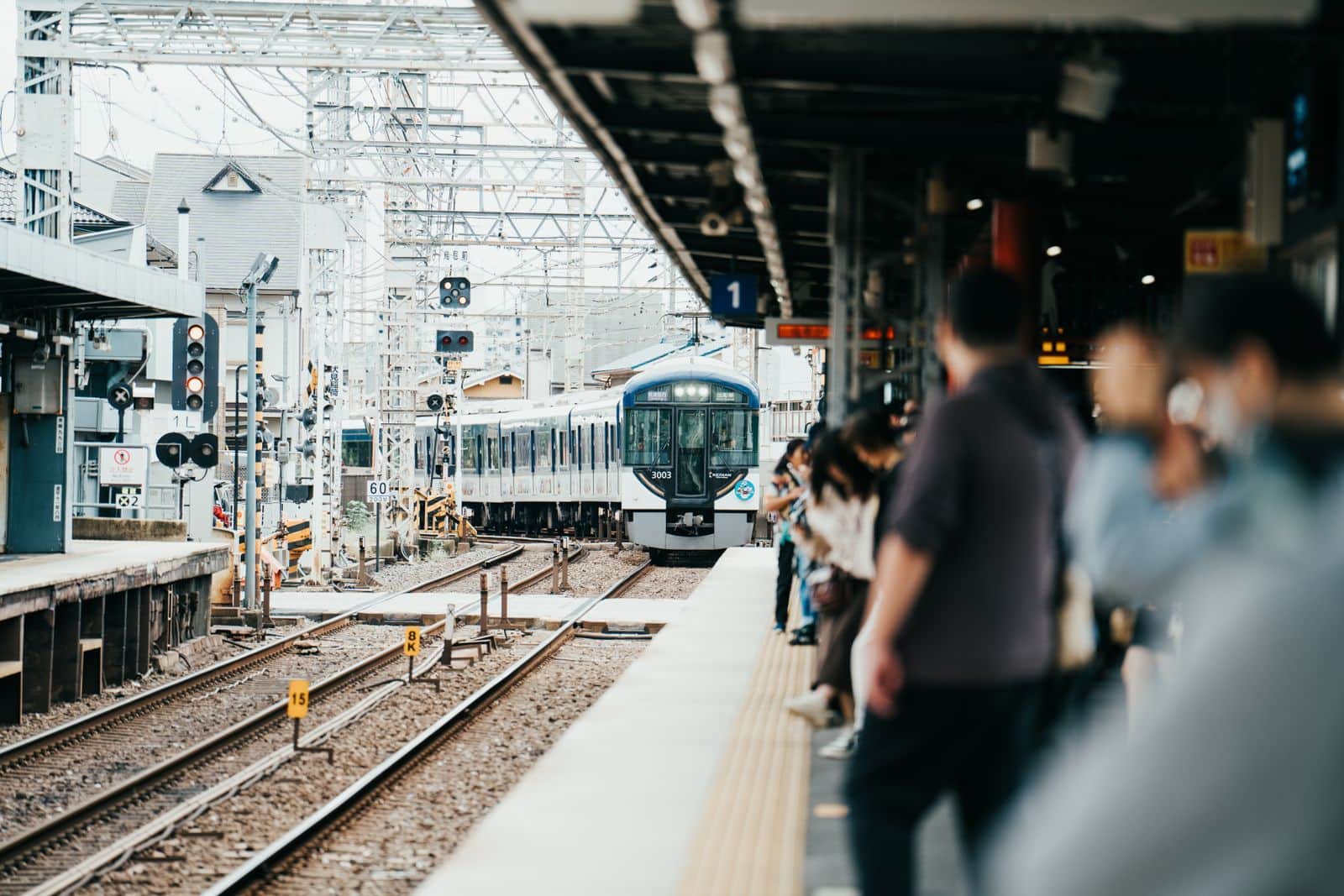
Japan gives tourists more internet choices than almost any destination: eSIMs, physical SIM cards, pocket WiFi rentals, hotel Wi-Fi, station Wi-Fi and carrier Wi-Fi spots. That choice is useful, but it can also make the first decision harder than it needs to be. For most travellers, the best option depends on three things: whether your phone supports eSIM, how many people need data and whether you want to carry another device.
This comparison explains when to choose a Japan eSIM, when pocket WiFi still makes sense and when a physical tourist SIM card is the safer fallback. It also covers unlimited data, hotspot use and airport pickup issues that can make a cheap plan feel expensive once you land.
Quick verdict: choose an eSIM for one or two travellers with compatible unlocked phones; choose pocket WiFi for a group that will stay together and share one connection; choose a physical SIM when the phone has no eSIM support.
Compare current Japan eSIM plans →
| Option | Best for | Main advantage | Main drawback |
|---|---|---|---|
| Japan eSIM | Solo travellers, couples, business travellers and eSIM-compatible phones | No physical pickup, no SIM swap and fast setup before departure | Requires an unlocked eSIM-compatible device |
| Pocket WiFi | Families or groups who stay together all day | One device can share data with several people | Needs charging, carrying, pickup and return |
| Physical SIM card | Travellers with no eSIM support | Works in many unlocked phones with a SIM tray | Requires delivery, airport pickup or store purchase |
An eSIM is usually the simplest option when every traveller has their own compatible phone. Pocket WiFi can be good for a family with children or a group that will not split up. A physical SIM is useful when your phone is older, eSIM is disabled by your carrier or you want a familiar card-based setup.
For more detail on SIM card buying, read the Japan SIM card or eSIM tourist guide. For unlimited-data terms, use the current Japan eSIM plan page.
The biggest eSIM advantage is control. You can buy before departure, install on home Wi-Fi, keep your usual SIM in the phone and switch data lines when you arrive. That means you can open maps, message your hotel, load train directions and use translation apps without looking for an airport counter.
A Japan eSIM also avoids the most annoying parts of pocket WiFi: carrying a second device, charging it every night, keeping it near the person who needs data and returning it before you fly home. If your group splits up at Tokyo Station or one person goes shopping while another visits a museum, a shared router becomes inconvenient fast.
BambooSIM Japan Unlimited eSIMs are data-only and offer up to 5G where available. Device data has no daily cap or scheduled usage-triggered slowdown under the current plan terms, while hotspot has a separate allowance shown for each duration. Check that allowance if a laptop, tablet or partner will depend on tethering.
Pocket WiFi is not outdated. It still has a place for groups that will stay together most of the day and want one shared bill. It can also help when one or more travellers have locked phones or devices that do not support eSIM. Some travellers like pocket WiFi because it keeps mobile data separate from their phone plan, which feels simpler.
The trade-off is logistics. You must pick up or receive the router, carry it, keep it charged and return it. If the router battery dies, everyone using it loses data. If one person takes it to a cafe, the rest of the group may be offline. If you forget to return it, you can face extra charges.
Pocket WiFi can also be less elegant for active trips. Ski days, theme parks, festivals, hikes and crowded train transfers are easier when the data connection lives inside each person's phone.
A physical Japan SIM card is the fallback for travellers without eSIM. It may also suit people who prefer something tangible or who are buying at the airport after arrival. Tourist SIMs are widely available online, at airports and through travel retailers, although prices and data rules vary.
The downsides are practical. You may need to remove your home SIM, store it safely and change APN settings. If your phone uses a single SIM slot, removing your home SIM can affect calls or SMS from your usual number. That matters if you rely on banking verification texts, airline alerts or family calls.
A dual-SIM eSIM setup is cleaner when available. Your home SIM can remain installed for calls and SMS, while the Japan eSIM handles mobile data. Just check roaming settings carefully so your home line does not accidentally trigger international data charges.
Live plan prices change, so compare the total for the same dates and number of travellers.
| Cost or constraint | Japan eSIM | Pocket WiFi | Physical tourist SIM |
|---|---|---|---|
| Delivery or pickup | None after digital delivery | Counter, hotel delivery or courier | Counter, shop or delivery |
| Return required | No | Usually yes | No |
| Extra battery to charge | No | Yes | No |
| Works when the group splits | Each person needs a line | No; users must stay near the router | Each person needs a SIM |
| Keep home SIM installed | Usually, on dual-SIM phones | Yes | Not on a single-slot phone |
| Sharing with laptop | Check hotspot allowance | Usually supported | Check plan terms |
| Possible extras | None beyond plan terms | Insurance, late return or lost-device fees | Delivery or airport premium |
The best value is the option that keeps working during station transfers, hotel check-in, QR tickets, weather alerts and regional travel—not simply the lowest first price shown.
Connectivity is especially valuable during the first hour after landing. Many travellers now prepare arrival details online through Visit Japan Web, which supports immigration and customs procedures. Even if you complete paperwork before flying, you will still want data for maps, messages and transport once you leave the airport.
Install your eSIM before departure if possible. For pocket WiFi, confirm pickup hours and whether your flight arrival time leaves enough margin. For physical SIM cards, make sure your phone is unlocked and bring a SIM tool. If you are arriving late at night, eSIM is often the least risky option because you are not dependent on a counter being open.
For current official airport facilities and a KDDI/au activation checklist, see the Japan airport eSIM guide for Narita, Haneda and Kansai.
Public Wi-Fi helps, but it should not be your main travel plan. Major airports, hotels and some stations offer free Wi-Fi, yet coverage is inconsistent once you are moving. You may also need to register, reconnect or accept terms repeatedly.
Japan Unlimited eSIM customers also receive au Wi-Fi Access at participating locations. The current support guide lists 100,000+ access points across categories including cafés, stations, selected transport and regional services, but not every branch or vehicle is covered. Check for au Wi-Fi/Wi2 signage and treat it as an extra layer, not a substitute for mobile data.
For most solo travellers and couples, yes. eSIMs are lighter, faster to set up and do not require return logistics. Pocket WiFi can still be good for groups who stay together.
Airport SIM cards can work, but they depend on counter availability, stock and your phone compatibility. Buying an eSIM before departure usually gives you more time to troubleshoot.
Yes, if the eSIM allows hotspot and the allowance is enough for your laptop use. Check the live plan’s separate hotspot allowance before buying.
Light users may not. Travellers who use maps, translation, video, social media, cloud photos or work apps heavily will appreciate unlimited device data because they do not need to ration every day.
Compare Japan SIM cards and eSIMs for tourists in 2026, including where to buy, phone numbers, unlimited data, airport queues and travel news.

Alex A.
May 26, 2026
Compare Japan travel eSIMs with international roaming day passes from Australian and US carriers, including data limits, cost control and setup tips.
Alex A.
May 30, 2026
Learn when tourists need a Japan eSIM with phone number, when data-only is enough and how voice, SMS, apps and unlimited data compare.
Alex A.
May 27, 2026
Before you travel
Check current data, validity, coverage and activation details for your Japan trip before you choose.
