
- How it works
- Compatible devices
Learn when tourists need a Japan eSIM with phone number, when data-only is enough and how voice, SMS, apps and unlimited data compare.
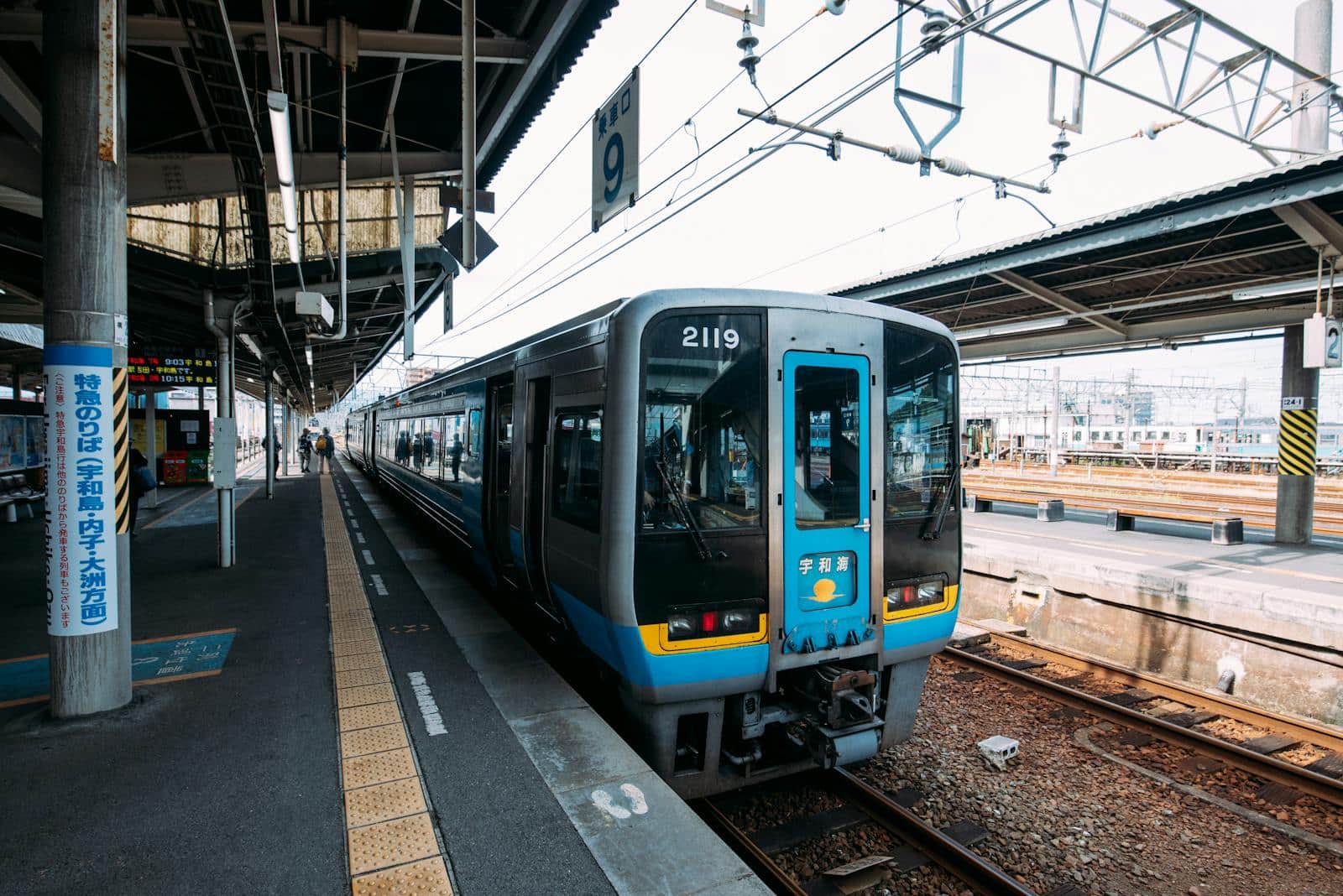
Many travellers search for a Japan eSIM with phone number because they assume a local number is required for restaurants, hotels, taxis, ticketing and everyday travel. In reality, most tourists can travel comfortably with a data-only eSIM. Maps, translation, email, QR tickets, WhatsApp, LINE, iMessage, FaceTime and Messenger all work over mobile data.
A Japanese phone number can still be useful in specific cases. The key is knowing whether you need real Japanese voice and SMS, or whether you simply need reliable data on your phone. This guide compares data-only tourist eSIMs with phone-number plans, including when each option makes sense.
Need data for maps, translation and calls inside apps? BambooSIM’s Japan travel eSIMs are data-only; they do not include Japanese carrier calls or SMS. Compare the allowance, trip duration and separate hotspot terms before choosing.
If you are visiting Japan for tourism, a data-only eSIM is usually enough. You can navigate Tokyo, translate menus, message accommodation, check train routes, book activities, use QR codes and call family through internet apps. Your home number can often remain active in the same phone for SMS and calls if your device supports dual SIM.
A phone-number plan is more relevant if you are staying longer, applying for local services, receiving domestic SMS verification, making standard Japanese calls or setting up accounts that insist on a Japanese mobile number. Those plans may require more identity checks and can be monthly rather than short-term travel products.
For normal travel data, compare the current Japan eSIM plans. If you are also considering physical SIMs, read the Japan SIM card or eSIM tourist guide.
| Your essential task | What to check | Next step |
|---|---|---|
| Maps, translation, tickets and calls inside an existing messaging app | Data allowance, validity and device compatibility | Compare current Japan data plans |
| Ordinary Japanese carrier calls or SMS | A real Japanese number, voice/SMS inclusions and identity requirements | Compare a specialist voice provider’s exact service |
| A booking or account that requires Japanese SMS verification | Whether that service accepts the specific number type | Confirm acceptance before purchasing for that purpose |
| Laptop work or sharing data with a companion | Separate hotspot allowance, not only the phone-data headline | Check the selected Japan plan’s tethering terms |
A phone-number requirement should be treated as a purchase condition. A data-only eSIM cannot acquire Japanese SMS capability through a phone setting. If data is your main need, estimate your trip usage and compare the current Japan selector by duration and hotspot allowance.
A data-only eSIM gives your phone mobile internet in Japan. It does not include a Japanese voice number, but it powers almost everything modern travellers use. Google Maps, Apple Maps, Google Translate, hotel apps, airline apps, Instagram, TikTok, WhatsApp, LINE and email all use data.
BambooSIM Japan Unlimited eSIMs are data-only. The full-speed option has unlimited phone data with no daily cap or scheduled usage-triggered slowdown; the selector can also offer a 10 Mbps unlimited option. Actual speed depends on coverage and device conditions. Hotspot has a separate allowance: the current full-speed 15-day option lists 14GB and the 31-day option lists 30GB. Check the selected plan rather than applying a formula to every speed and duration.
The data-only approach is also simpler at setup. You do not need to swap your physical SIM, wait for a local number to activate or change how friends contact you. Check the selected plan’s activation trigger before claiming a QR code or installing it. BambooSIM’s SoftBank 90-day option starts when the QR is claimed from the account; the KDDI options start on first supported-network connection in Japan and count Japanese calendar days. Prepare the instructions before departure, but claim or connect only when that plan says to.
You may need a Japanese phone number if you are moving to Japan, studying, working, doing a working holiday, receiving repeated domestic verification codes or using services that reject foreign numbers. A number can also help with some local delivery forms, reservations and memberships, although many short-stay tourists can work around those with hotel numbers, messaging apps or online booking platforms.
Specialist providers exist for this. Mobal markets Japan eSIM and SIM options with a real Japanese phone number, voice and SMS, and notes that services with a real Japanese number may require ID steps. Sakura Mobile also offers travel eSIMs, physical SIMs, pocket WiFi and resident-oriented voice plus data options, while its travel eSIM page describes the tourist eSIM as data-only with no phone number.
That distinction matters. A tourist who only wants maps and uploads does not need to pay for voice. A traveller who needs Japanese SMS should not buy a random data eSIM and hope it includes a number.
Phone-number plans and unlimited-data plans solve different problems. Phone-number plans prioritise identity, SMS and calls. Unlimited-data plans prioritise internet use. The best product depends on which problem you actually have.
If you are using Japan mostly as a destination for sightseeing, skiing, food, theme parks or rail travel, internet access is the bigger need. You will use maps dozens of times. You may translate every meal. You might upload photos, check weather alerts, message a tour operator and stream while waiting for trains. That behaviour favours a strong data plan.
If you are opening local accounts, dealing with Japanese employers, signing up for resident services or receiving domestic SMS, the phone number becomes more important. In that case, compare monthly voice plus data plans, not short-term tourist eSIMs.
Most recent iPhones and many Android phones support dual SIM, which can mean one physical SIM plus one eSIM or two eSIMs depending on model. This lets you keep your home number active for calls or SMS while using the Japan eSIM for mobile data.
Be careful with roaming settings. Receiving SMS may be free with some home carriers, but sending messages, making calls or using mobile data on the home line may trigger charges. Turn mobile data roaming off for your primary line unless you intentionally want to use it. Set the Japan eSIM as the mobile data line and use internet apps for most communication.
This setup is popular with Australian and US travellers because it keeps banking and airline alerts available without making home roaming the main internet connection.
LINE is widely used in Japan, while WhatsApp, Messenger, FaceTime and iMessage are common with international travellers. All work over data. Many restaurants and hotels accept online bookings, email, app messages or web forms. Some forms ask for a phone number, but short-term tourists can often use their accommodation contact or an international mobile number depending on the service.
There are exceptions. A local delivery company, ticket lottery, membership site or domestic verification flow may insist on Japanese SMS. If that is central to your trip, plan for a voice or SMS-capable product before you travel.
For the average tourist itinerary, however, unlimited data provides more everyday value than a local number. It supports navigation, bookings and messages wherever the chosen network has usable coverage; tunnels, remote areas and congestion can still interrupt service.
A phone-number plan may be monthly, require ID checks or be designed for residents and longer stays. A tourist data eSIM is usually bought by duration. Use the live Japan product page for current prices, available trip lengths and the hotspot allowance attached to the selected duration rather than relying on a price quoted in an older guide.
If you are travelling for 7 to 31 days and do not need Japanese SMS, a data-only plan is usually easier. If you are staying beyond a tourist trip or need local identity features, compare Japanese phone-number providers directly and leave your travel eSIM decision for data performance.
Yes, specialist providers offer Japanese phone-number eSIMs or SIMs. They may involve monthly pricing, ID checks or resident-style requirements. Many tourist eSIMs are data-only.
For most tourists, yes. Maps, translation, messaging apps, QR tickets, email and social media all work over mobile data.
Often yes, if your phone supports dual SIM and your home line remains active. Check your carrier fees and keep mobile data roaming off on the home line unless needed.
No. It is data-only. Use apps such as LINE, WhatsApp, iMessage, FaceTime or Messenger for calls and messages over data.
Compare Japan SIM cards and eSIMs for tourists in 2026, including where to buy, phone numbers, unlimited data, airport queues and travel news.

Alex A.
May 26, 2026
Compare Japan travel eSIMs with international roaming day passes from Australian and US carriers, including data limits, cost control and setup tips.
Alex A.
May 30, 2026
Compare a Japan eSIM, pocket WiFi rental and tourist SIM by total cost, group sharing, battery, pickup, hotspot and phone compatibility.
Alex A.
May 28, 2026
Before you travel
Check current data, validity, coverage and activation details for your Japan trip before you choose.
